



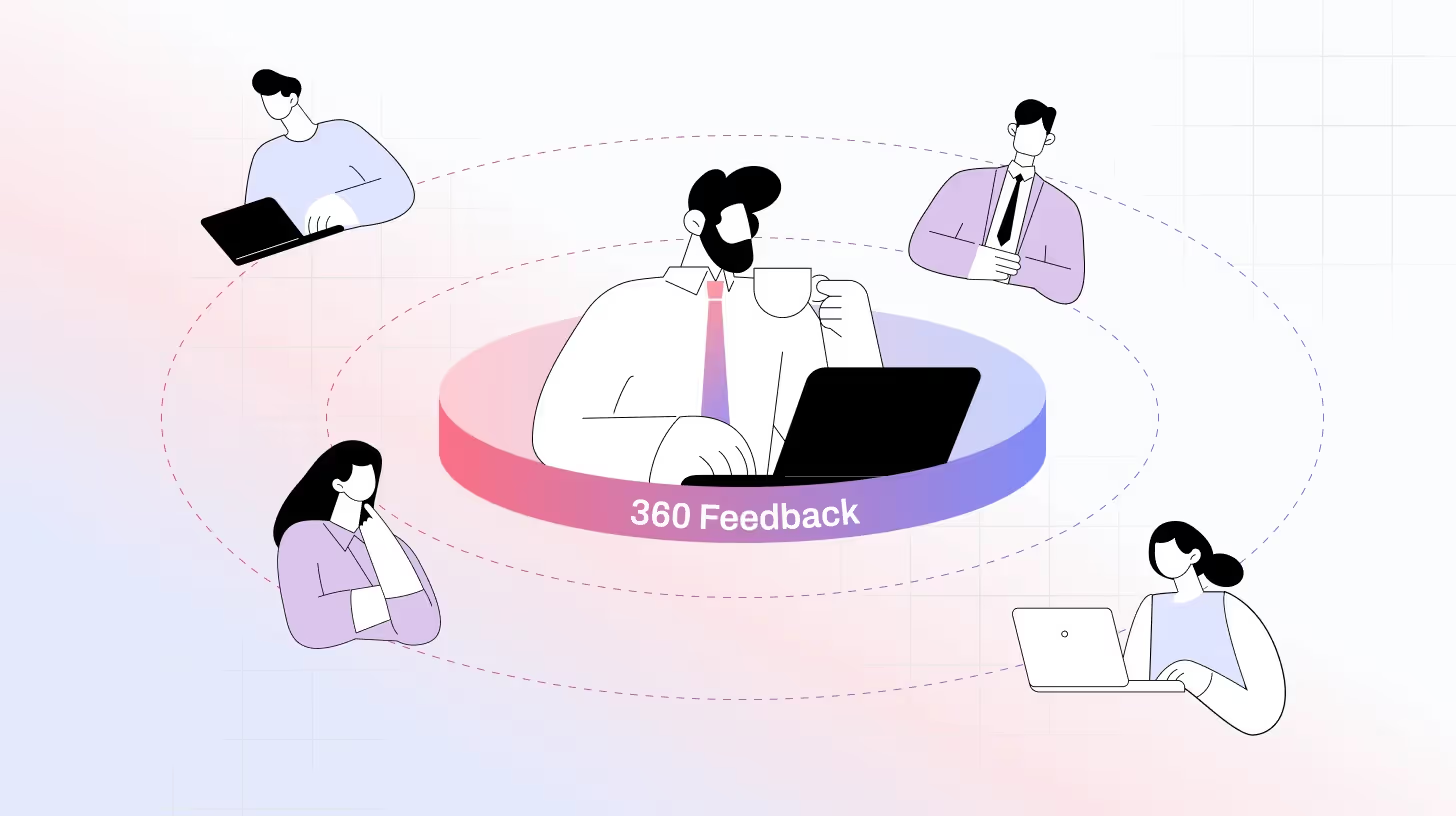
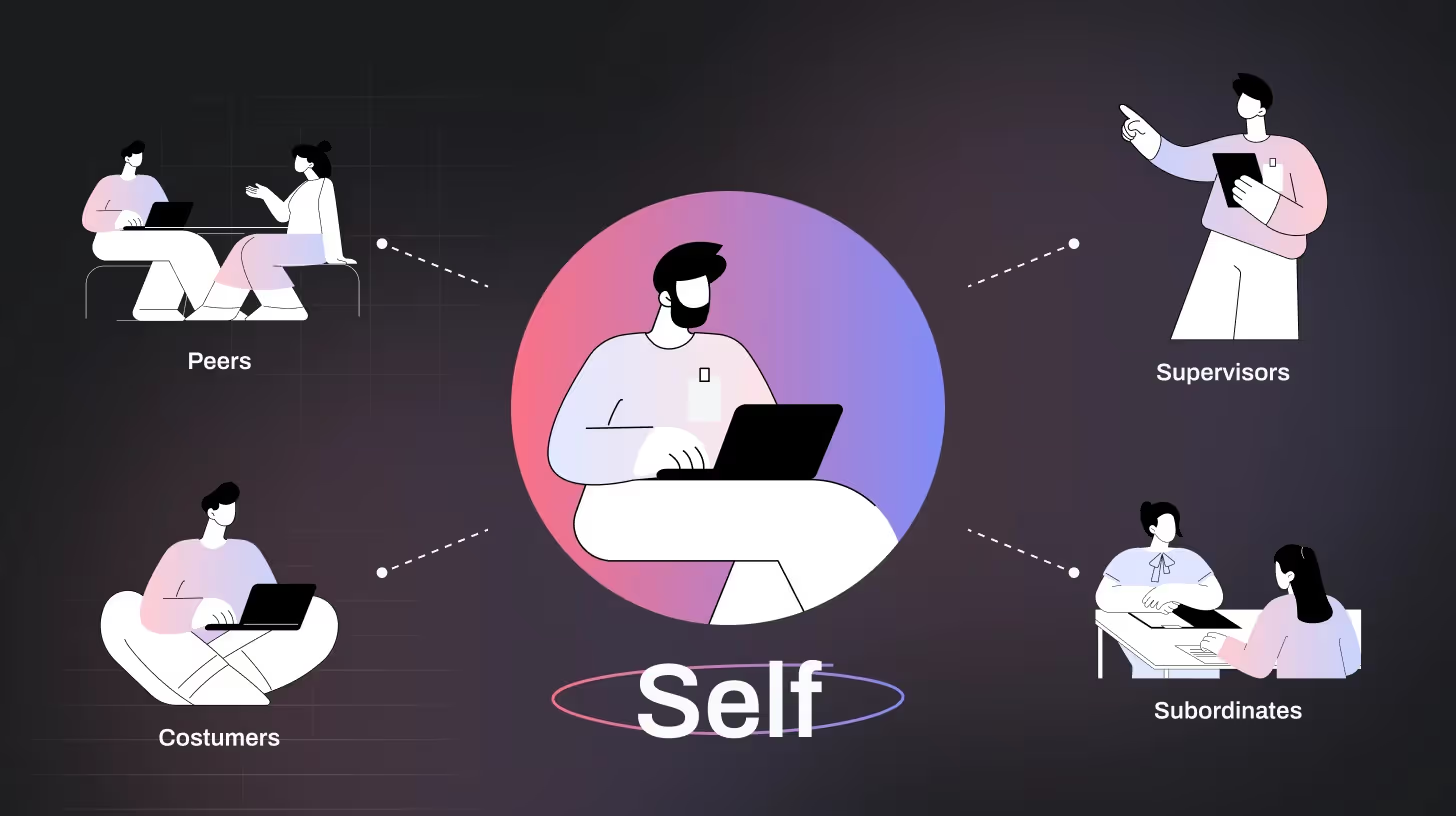
Improving employee performance starts with understanding how they’re perceived from every angle, and that’s exactly what a 360-degree feedback survey delivers. Instead of relying on a single manager’s evaluation, a 360 survey gathers anonymous, multi-rater feedback from peers, managers, direct reports, and even clients. This broader perspective helps uncover strengths, weaknesses, behavioral patterns, and blind spots that traditional reviews often miss.
In this guide, you’ll learn what a 360-degree feedback survey is, how it works, the benefits and drawbacks, real company examples, and best practices for creating your own survey. You’ll also get sample questions and a simple checklist to build a 360-degree feedback process that actually drives employee growth, not just paperwork.
Read: How to Conduct a Survey: The Only Guide You’ll Need
What is a 360 Degree Feedback?
360-degree feedback is a performance evaluation that provides individuals with anonymous feedback. It gathers feedback from managers, coworkers, and sometimes clients. It is an effective tool for employee development that promotes self-awareness and accountability.
Typically, a 360-degree feedback survey consists of both quantitative ratings and qualitative responses. Managers and leaders use 360-degree evaluations to gain a better understanding of how coworkers perceive an individual in the organization. This holistic approach promotes transparency and growth within teams.
Here’s what a 360-degree feedback survey can do in a workplace:
- Provides a comprehensive evaluation of employees' behavior and skill sets.
- Highlight strengths and areas for development in teamwork, character, and leadership effectiveness.
- Assess skills such as active learning and strategic planning.
Related Read: 70 Employee Feedback Survey Questions You Can Ask
What is 360 Degree Employee feedback?
A 360-degree employee feedback process gathers input from everyone who works closely with an individual: supervisors, peers, and direct reports. Each group shares observations about the employee’s behaviors, communication style, teamwork, leadership qualities, and overall impact.
All of this feedback is compiled into a single report that highlights patterns, strengths, and areas that may need development. Unlike traditional performance reviews that focus mainly on results or metrics, 360 feedback looks at how someone works, not just what they accomplish.
For many employees, the insights can be surprising, sometimes validating, sometimes challenging, but almost always valuable for personal growth and professional improvement.
How Adobe and Philips Used 360-Degree Feedback to Drive Growth
The story of Adobe Systems stands out as a remarkable example of successful 360-degree feedback implementation. In 2012, Adobe replaced its traditional performance reviews with a continuous feedback approach known as "Check-In.
This approach takes feedback from all levels of the organization. By shifting to this model, Adobe creates a culture of open communication where everyone feels accountable and motivated to contribute to the organization’s success.
The key outcomes of this initiative are:
- 30% increase in employee engagement levels
- 14% boost in productivity
If you are more interested in Adobe’s implementation of 360-degree feedback, you can refer to the case study.
Here comes another example of a well-known innovator, Philip, who wanted to better support employee development by focusing on important leadership skills and behaviours. To do this, they collaborated with ETS to develop a 360-degree feedback program that employees throughout the organisation could use.
Magdalena Bracco, HR Group Project Leader at Philips, shared how valuable the program was:
“The business impact has been huge in terms of helping people grow. For us as a business, it's critical because great leadership drives our continued success.”
If you’d like to learn more about how Philips implemented the 360-degree feedback system, you can read the full case study here: Philips 360 Degree Feedback Case Study.
360 Degree Feedback vs Traditional Performance Reviews
When evaluating employee performance, organizations can take two very different approaches. Traditional performance reviews rely on a manager’s perspective and focus heavily on metrics and outcomes. In contrast, a 360-degree feedback system gathers input from multiple sources, offering a more holistic, behavior-focused view of how employees work and collaborate.
This side-by-side comparison highlights the key differences between the two methods:
No matter which feedback style you choose, using a platform like TheySaid ensures your surveys are easy to build, easy to manage, and truly focused on employee growth.
Read: 10 Strategies to Measure Employee Happiness
Advantages and Disadvantages of 360-Degree Feedback Survey
First, let’s look at the advantages of a 360-degree feedback survey that transforms the organization.
Encourages self-awareness and personal growth
One of the biggest advantages of a 360-degree feedback survey is that it gives employees a clearer understanding of how others perceive their behavior at work. Because the process gathers multi-rater feedback from managers, peers, and direct reports, it reveals strengths and weaknesses that a traditional performance evaluation might miss.
For instance, an employee may believe they are approachable, but their anonymous 360 feedback might show that they tend to dominate conversations or overlook others’ input. This kind of behavior-based feedback helps employees reflect more accurately and grow professionally.
Recommended read: 6 Sample Employee Engagement Survey Templates For Free
Improve Feedback from Diverse Perceptions
In 360-degree feedback, you’re not just getting one person’s opinion, but a variety of viewpoints that reflect the full scope of your behavior and performance. This helps create concrete action plans to improve weak spots. For instance, an employee is great at managing individual tasks but struggles with teamwork. The feedback from his coworkers helps you identify this weak spot by providing the employee with clear areas to work on.
Identifying Training Needs
Since the primary purpose of a 360-degree feedback survey is to identify areas of improvement, Employees can use it to seek out relevant training required to enhance their skills. Whether it’s a leadership course, a time management workshop, or communication skills training, it guides them towards development resources.
Related read: Training Feedback Survey: 12 Questions That Boost Learning Results
Minimizing Bias and Discrimination
360-degree feedback surveys provide a balanced and objective view by incorporating various perspectives. This multi-source approach reduces the risk of bias, leading to fairer, more accurate assessments.
Boost employee engagement and motivation
Employees who receive constructive feedback acknowledging their strengths and contributions feel valued and understood. This helps them see where they’re excelling and where they can improve, which motivates them to take action and grow. Additionally, the feedback identifies areas where employees feel disengaged and dissatisfied, allowing organizations to take proactive steps to improve morale.
Recommended read: How to Conduct Employee Engagement Surveys for Maximum Impact
Disadvantages of 360-Degree Feedback Surveys
360-degree surveys are a powerful tool, but they are not perfect. Let’s look at the real-world challenges that could pop up.
Not Everyone Knows How to Give Good Feedback
Providing constructive, behavior-focused feedback is a skill not everyone has. Some employees may give overly positive ratings to avoid conflict, while others may score a colleague harshly due to personal frustrations. This can affect the accuracy of results in an employee feedback survey or multi-source review.
It’s Hard to Dig Deeper
360-degree reviews are supposed to be anonymous; because of that, employees cannot always ask for more context or information. Let’s say one comment was that they need to be more proactive, but without knowing the situation the respondent is talking about, it's hard to fix it.
Poorly Designed Surveys Miss the Mark
The whole process can backfire if the 360-degree feedback survey is not thoughtfully designed. For instance, if your questions are too general and lack actual skills or behaviors, you get vague and less actionable data as feedback, so training your team in designing and conducting surveys is essential.
It Takes a Lot of Time and Energy
A 360-degree feedback survey is not a quick task; it can take 6 to 12 weeks to do it properly.
Managers and employees must spend time choosing raters, filling out detailed surveys, reading through feedback pages, sitting down for feedback sessions, and finally, creating development plans. If the whole process is rushed, the input might not be valuable.
Recommended read: Top 360 Degree Appraisal Questions to Boost Honest Feedback
When Should 360 Surveys be Used?
Use 360-degree surveys when you want employees to get honest, well-rounded feedback from the people they work with every day. They’re especially helpful for leadership development, career growth conversations, and improving teamwork or communication.
Think of 360 feedback as the right choice when the goal is learning, not scoring.
Use Cases and Benefits of 360-Degree Feedback for Teams
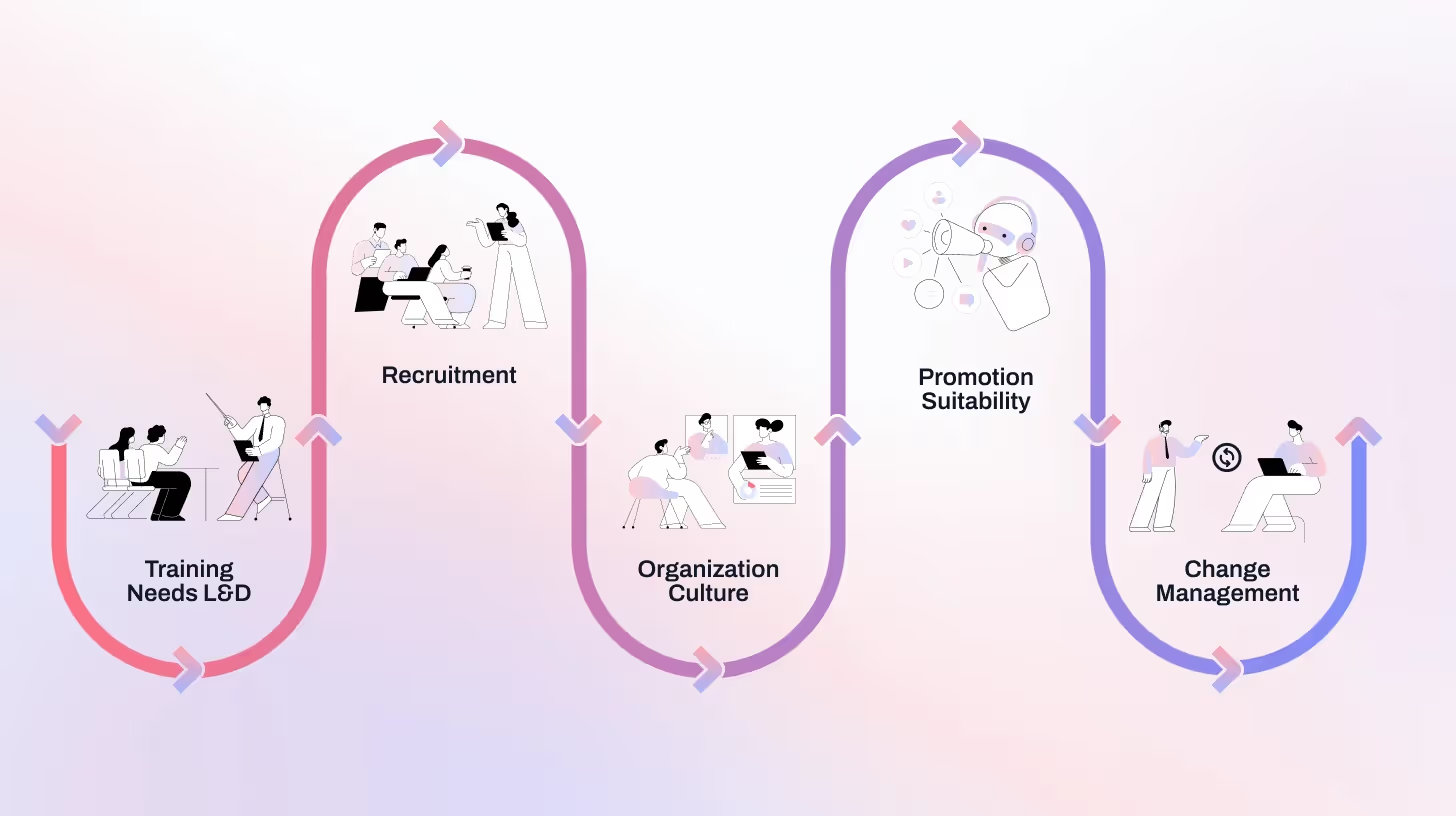
360-degree feedback isn’t just about rating people; it’s about building a stronger, more aligned team. Because it focuses on everyday behaviors (not just results), it’s a powerful tool for shaping the culture your organization wants to grow.
Here are some ways teams and companies can use 360-degree feedback surveys
- Creating a Culture of Continuous Learning
- Identifying and Developing Future Leaders
- Enhancing Team Communication and Trust
- Aligning Behavior With Company Values
- Catching Hidden Issues Before They Escalate
When considering a 360-degree feedback survey, it’s essential to identify the key behaviors that align with your company’s values and culture; these are the ones you’ll want to promote. This ensures that your feedback is meaningful and relevant to your team’s success.
With TheySaid, you can create a personalized 360-degree feedback survey in just seconds. Sign up for free to get started and unlock the power of real-time feedback for your team!
How to Write 360-degree Feedback Questions
When creating 360-degree feedback questions, keep it simple and focused on behaviors that matter. Here’s how to get it right:
- Ask about real behaviors, not vague qualities.
- Use simple language to avoid confusion.
- Frame questions to help people offer useful suggestions.
- Focus on open-ended questions and avoid leading questions.
- Make Answer Choices Balanced and Optional.
Here’s a pro tip for you: Always keep questions optional, so respondents don’t feel pressured to answer every one. This allows them to skip any questions they might not feel comfortable with.
Read: Leading and Loaded Questions: The Survey Killers
Example Questions
Here are some examples of the types of questions that you can ask in a 360-degree feedback survey.
- What are the employee’s greatest strengths in their current role?
- What areas of their work could be improved, and how?
- How well does the employee support and motivate their colleagues?
- How accountable is the employee for their work and deadlines?
- What could the employee do to improve their leadership skills?
Also read: 70+ 360 Degree Feedback Questions for Better Performance Reviews
How to Create a 360-Degree Employee Feedback Survey
Building an effective 360-degree employee feedback survey requires clarity, structure, and the right mix of raters. A well-designed process ensures that employees receive honest, constructive, and behavior-focused insights that support professional growth. Here’s a simple framework to help you create a reliable, multi-rater 360 feedback review.
Define the goal of the feedback process
Start by identifying what you want the feedback to accomplish.
Common goals include:
- improving leadership behaviors
- strengthening communication and teamwork
- identifying blind spots
- supporting career development
- improving workplace culture
A clear goal helps you design a survey that collects meaningful, actionable feedback.
Identify the key behaviors and competencies to measure
Choose the specific skills you want employees to be evaluated on. Focus on observable behaviors, not personality traits. Examples include:
- communication clarity
- collaboration and teamwork
- decision-making
- accountability
- problem-solving
- adaptability
- empathy or emotional intelligence
These behaviors become the foundation of your survey questions.
Select a balanced group of raters
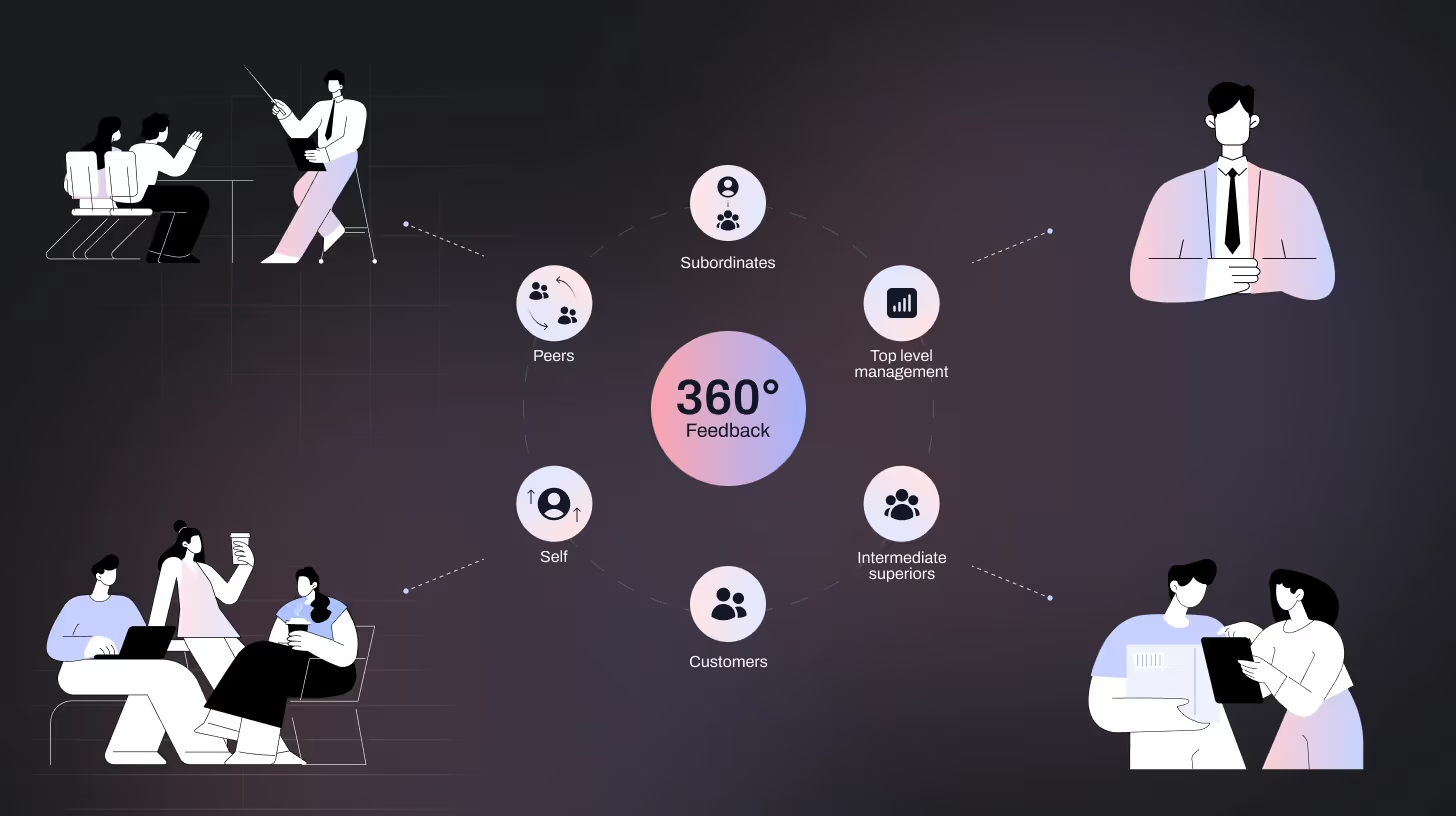
A strong 360-degree review includes feedback from people who interact with the employee in different ways. Consider selecting:
- the employee’s manager
- peers or colleagues
- direct reports (if applicable)
- cross-functional partners
- clients or external stakeholders (optional)
This ensures a well-rounded, fair evaluation with multiple perspectives.
Write behavior-based, easy-to-understand survey questions
Use clear, specific questions that focus on what people see the employee do. Examples:
- “How effectively does this person work with others to solve problems?”
- “How well does this person communicate expectations?”
- “What is one behavior this employee should continue?”
- “What is one behavior they should improve?”
Combine rating-scale questions with open-ended questions for richer insights.
Distribute the survey using a reliable tool
Use a digital platform or 360-degree feedback tool to send surveys, collect responses, and maintain confidentiality. Anonymity encourages honest, constructive input and reduces bias.
Review the results with the employee
Once the feedback is compiled, schedule a 1:1 conversation to walk through:
- strengths
- growth opportunities
- recurring themes
- behaviors that need reinforcement or adjustment
This discussion should feel supportive, not punitive.
Build a personalized development plan
Based on the survey results, collaborate on a development plan that includes:
- 2–3 key focus areas
- measurable goals
- habits to develop or change
- timelines and check-ins
- recommended training or coaching
This transforms feedback into real progress.
Follow up consistently
Regular check-ins help track improvement and reinforce accountability. Follow up monthly or quarterly to assess progress and adjust the development plan as needed.
360-Degree Employee Feedback Survey Template
1. How effectively does this employee communicate with others?
Select one:
- ☐ Very ineffective
- ☐ Ineffective
- ☐ Neutral
- ☐ Effective
- ☐ Very effective
2. How well does this employee collaborate and contribute to team success?
Select the option that best describes the employee:
- ☐ Rarely collaborates; prefers to work alone
- ☐ Sometimes collaborates but inconsistently
- ☐ Collaborates when asked
- ☐ Frequently supports team goals
- ☐ Outstanding collaborator who strengthens team performance
3. How accountable is this employee for deadlines, responsibilities, and commitments?
Select one:
- ☐ Not accountable
- ☐ Sometimes inconsistent
- ☐ Usually reliable
- ☐ Very reliable
- ☐ Extremely responsible and consistent
4. How well does this employee handle challenges, feedback, or unexpected situations?
Select one:
- ☐ Struggles and often needs support
- ☐ Manages simple challenges but struggles with complex ones
- ☐ Handles most challenges independently
- ☐ Responds calmly and effectively to difficult situations
- ☐ Exceptional at navigating challenges and improving through feedback
5. What are this employee’s greatest strengths? Choose up to two strengths:
- ☐ Communication
- ☐ Teamwork & collaboration
- ☐ Leadership
- ☐ Creativity & innovation
- ☐ Accountability
- ☐ Problem-solving
- ☐ Adaptability
- ☐ Other: ____________________
6. What is one behavior this employee should improve to become more effective?
Select one:
- ☐ Communication
- ☐ Time management
- ☐ Collaboration
- ☐ Decision-making
- ☐ Accountability
- ☐ Leadership
- ☐ Conflict resolution
- ☐ Other: ____________________
7. Would you recommend this employee for increased responsibility or leadership opportunities?
Select one:
- ☐ Yes, they’re ready
- ☐ Yes, with some development
- ☐ Not right now
- ☐ No
Enhance Team Growth With Interactive 360-Degree Feedback Surveys From TheySaid
If you want a simple, engaging, and modern way to run 360-degree employee feedback reviews, TheySaid makes the entire process effortless. Instead of spending weeks planning, distributing, and interpreting feedback, TheySaid sets everything up for you from 360-degree survey templates to guided interviews, rater selection, and automated AI analysis.
What sets TheySaid apart is how fun, interactive, and team-friendly the experience is. Employees aren’t just filling out another HR form; they’re participating in a feedback process designed to encourage honesty, build trust, and strengthen team culture.
With TheySaid, you can:
- Launch ready-made 360-degree feedback surveys in minutes
- Run surveys and structured feedback interviews in one platform
- Collect anonymous, honest responses without bias or pressure
- Analyze strengths, weaknesses, and behavioral patterns with AI-powered insights
- Get beautiful, visual reports that make feedback easy to understand
- Improve participation with engaging, attractive survey experiences
- Create a continuous feedback loop instead of a once-a-year review
- Support team-building activities with feedback that feels positive and interactive
Whether you're developing leaders, improving communication, or building a more open culture, TheySaid turns the 360-degree feedback process into something employees actually enjoy participating in.
Start your 360-degree feedback survey with TheySaid today. Set it up once, automate the rest, and unlock honest insights that help your team grow all year long.
Key Takeaways
- When you build your 360 surveys, ask about everyday actions people see, not just big wins or misses.
- Tell employees upfront: this is for growth, not judgment. It helps them stay open-minded and motivated.
- Show your team how other companies have used feedback to build better cultures and happier workplaces.
- TheySaid helps you customize surveys, gather honest insights, and actually use feedback for meaningful growth without the manual headache.
FAQs
Who should participate in a 360-degree feedback review?
A strong 360-degree review includes feedback from people who interact with the employee regularly. This usually includes:
- Their direct manager
- Peers and colleagues
- Direct reports (if they manage others)
- Cross-functional teammates
- Clients or external partners (optional)
The goal is to collect insights from different angles so the feedback is fair, well-rounded, and meaningful.
What types of questions should be included in a 360-degree survey?
The best 360-degree surveys include behavior-based questions that raters can observe in daily interactions. Common question categories include:
- Communication and listening
- Collaboration and teamwork
- Accountability and reliability
- Problem-solving and decision-making
- Leadership, influence, and trust
- Alignment with company values
Mixing rating-scale, multiple-choice, and open-ended questions provides both measurable data and deeper insights.
Should 360-degree feedback be anonymous?
Yes, 360-degree feedback is typically anonymous to encourage honest and unbiased responses. When raters know their identity is protected, they are more likely to give clear, constructive, and accurate feedback. This leads to more meaningful insights and a more trustworthy process.
Is 360-degree feedback effective or even worth doing?
Yes, when implemented correctly, 360-degree feedback is one of the most effective tools for employee growth. It provides a more balanced and accurate view than a traditional manager-only review. Employees gain deeper self-awareness, understand how others experience their behavior, and receive clear guidance on how to improve.




.svg)