User Testing
Comparing AI Features of the Best User Testing Tools: The Complete 2026 Guide
by
Chris
|
Aug 28, 2026


Every product team has a backlog full of competing ideas and not enough time to build all of them. Most feature prioritization decisions get made without direct user evidence. Teams rely on survey data, analytics that show what users do but not why, and internal opinions shaped by whoever is loudest in the room. Features ship, adoption underperforms, and the team cycles back to figure out what went wrong.
The result is a roadmap that reflects the organization's assumptions rather than the user's reality.
User testing for feature validation closes the gap. Watch real users interact with feature concepts and prototypes before committing to full development. Hear what they expected, where they got confused, and which capabilities would actually change how they use your product. Build your product roadmap prioritization on what users do, not what they say in a survey.

Show users a description, mockup, or prototype of a proposed feature and watch how they respond. AI asks follow-up questions that surface whether the concept solves a real problem, whether users understand the value immediately, and whether anything about the execution would prevent adoption. Validate ideas early when changing direction costs hours, not sprints.

Run separate test plans for competing feature ideas and compare findings across sessions. AI surfaces which concept users found more intuitive, which one better matched their mental model, and where each option created confusion. Give your product feature prioritization decisions a foundation in observed behavior rather than internal debate.

Feature requests tell you what users ask for. User testing tells you what problem they are actually trying to solve. AI conducts real conversations that uncover the underlying need behind each request, revealing whether the feature users are asking for is actually the best solution or whether a different approach would serve them better.

Turn qualitative user evidence into a clear feature prioritization framework your team can act on. TheySaid identifies which features caused the most confusion, which ones users completed successfully, and which ones generated the strongest positive reactions, giving you behavioral data that ranks features by actual impact rather than estimated value.

Different user segments often have different priorities. Recruit from your own user base or TheySaid's panel of 5M+ participants to test the same feature concept across multiple personas. Understand whether a proposed feature serves your core users, your enterprise accounts, or a segment you have not yet built for before committing resources to build it.


TheySaid's Synthetic Panel (coming soon) lets you run AI testers through feature concepts immediately, giving you fast early signal on whether an idea is worth pursuing before you recruit real participants for deeper validation. Use it to eliminate weak concepts early and invest your research budget in the features that deserve the most scrutiny.

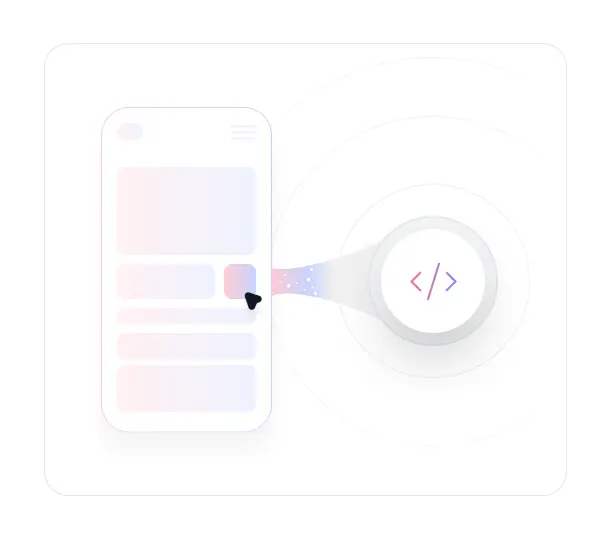
Test feature ideas at any stage of development, from a written description to a high-fidelity Figma prototype. Participants interact with your concept while AI records their screen, captures their voice, and asks follow-up questions that reveal whether the idea solves a real problem for real users.

Run multiple test plans across competing feature concepts and compare findings side by side. AI moderates each session consistently, making results comparable across concepts and eliminating the facilitator variability that skews traditional moderated research.

AI analyzes all sessions and surfaces the behavioral themes that matter most: which tasks users completed successfully, where confusion occurred most frequently, and which moments generated strong positive or negative reactions. Findings are ranked by frequency so you know which issues affect the most users.

Clip the moments where users struggled with a proposed feature or expressed a strong opinion about a concept. Combine clips into highlight reels that make the evidence impossible to dismiss in a prioritization meeting. Real user reactions carry more weight than any internal opinion.

Reach your existing users through email, in-app messages, or direct links. Recruit specific personas from TheySaid's panel with demographic, role, and behavioral targeting. Use the Synthetic Panel (coming soon) for fast preliminary concept validation before committing to full participant recruitment.

Features get prioritized based on who argued most convincingly in the last planning session. The loudest voice in the room shapes the backlog, and the users who will actually use the product never get a seat at the table.

Users consistently say they want features they would never actually use. Survey-based feature prioritization methods capture stated preferences, not real behavior, which is why features built from survey data so often underperform against adoption targets.

Most teams find out a feature does not work the way they expected after engineering has already built it. Rework at that stage is expensive, slow, and demoralizing for the teams involved.

When two feature ideas compete for the same roadmap slot, the decision often comes down to seniority, instinct, or whoever prepared the better slide deck. There is no shared evidence base that gives either option a fair hearing.

When it is time to cut the backlog, teams default to gut feel or political compromise. Features that should have been eliminated early survive because no one has evidence strong enough to kill them.


User testing for feature validation replaces internal opinion with observed user behavior. Features that users complete easily, respond to positively, and describe as solving a real problem move up the backlog. Features that create confusion or fail to resonate get deprioritized before anyone spends time building them.

TheySaid captures behavioral data alongside qualitative feedback. You see how users actually interact with a feature concept, not just how they describe their preferences in a survey, giving your product decision making process a foundation that survey data alone cannot provide.

Test concepts and prototypes before development starts. Fix the ideas that do not work while they are still easy to change, and invest your engineering capacity in features that have already demonstrated user value.

Run the same study across competing feature concepts and let user behavior determine which one deserves the roadmap slot. AI moderates every session consistently, so comparisons are fair and findings are defensible.

Knowing how to prioritize product features becomes a repeatable, evidence-based process when every major decision is backed by user testing. Stakeholders debate evidence rather than opinions, and the features that survive prioritization are the ones most likely to drive adoption.





Learn how product teams use TheySaid's usability testing use cases and UX research use cases to validate prototypes, optimize features, test pricing strategies, and gather user feedback before shipping to customers.
Learn how product teams use TheySaid's usability testing use cases and UX research use cases to validate prototypes, optimize features, test pricing strategies, and gather user feedback before shipping to customers.
As early as possible. TheySaid supports testing at every stage from a written feature description to a high-fidelity prototype. The earlier you test, the cheaper it is to change direction if the concept does not resonate. Even a rough mockup tested with real users generates more actionable signal than any internal estimation of user value.
Feature prioritization techniques based on user testing replace assumptions with evidence. Instead of estimating how much users want a feature, you watch real users interact with it. Instead of debating adoption potential, you measure task completion, voice reactions, and behavioral patterns across real sessions. The result is a prioritization decision grounded in what users actually do, not what teams think they will do.
Yes. You can build separate test plans for each feature concept and run them with the same or different participant groups. AI moderates every session consistently, making findings comparable across concepts so you can evaluate competing ideas on equal terms.
Most teams identify the critical usability and value perception issues with 15 to 20 completed sessions per concept. For early-stage concept testing where you are deciding whether to pursue an idea at all, even 5 to 10 sessions can generate enough signal to make a confident decision.
The Synthetic Panel is a coming soon feature that runs AI testers through your feature concepts immediately, without waiting for participant recruitment. Use it to eliminate weak concepts early in the product prioritization tools process before investing research resources in concepts that do not warrant deeper validation.
Surveys capture what users say they want. User testing captures what users actually do when they try to use a feature. These are often very different things. Users consistently rate features as important in surveys that they rarely or never use in practice. Product roadmap prioritization based on behavioral evidence rather than stated preference produces roadmaps that are more likely to drive real adoption.

TheySaid User testing recommends questions, delivers via your existing channels, engages your audience,and summarizes results through AI user testing, surveys, and interviews.
.svg)