User Testing
Comparing AI Features of the Best User Testing Tools: The Complete 2026 Guide
by
Chris
|
Aug 28, 2026

.webp)

The signals that feel like validation often are not. Early adopters who signed up because they know the founders, beta users who gave positive feedback to be supportive, and survey responses shaped by what participants thought you wanted to hear all produce a falsely positive picture that delays the harder conversations your product actually needs.
Real product market fit is not a feeling or a good NPS score from a small sample. It is the measurable reality that a defined segment of users has a problem your product solves better than any current alternative, that they would be genuinely disappointed if it went away, and that their behavior reflects that conviction rather than just their stated preference.
Getting there requires honest conversations with people who have no reason to be kind. TheySaid runs those conversations at scale, with AI that probes deeper than any survey and delivers findings honest enough to act on.

Before you validate your solution, validate the problem. AI conducts real conversations with your target audience that surface whether the problem is acute enough to motivate behavior change, how they currently work around it, and what a solution would have to do to be worth switching to. Catching a false premise here is far cheaper than catching it after launch.


The Sean Ellis product market fit survey question is a useful starting point. TheySaid goes further. AI asks why participants answered the way they did, what they would specifically miss, and what would have to change for someone who said "somewhat disappointed" to say "very disappointed." You get the score and the story behind it.

Product market fit is rarely universal. It is usually strongest in a specific segment and weaker everywhere else. TheySaid lets you test the same product across multiple audience segments and compare how fit varies across demographics, job roles, and behavioral profiles. Finding where fit is strongest is often more valuable than trying to improve it everywhere.
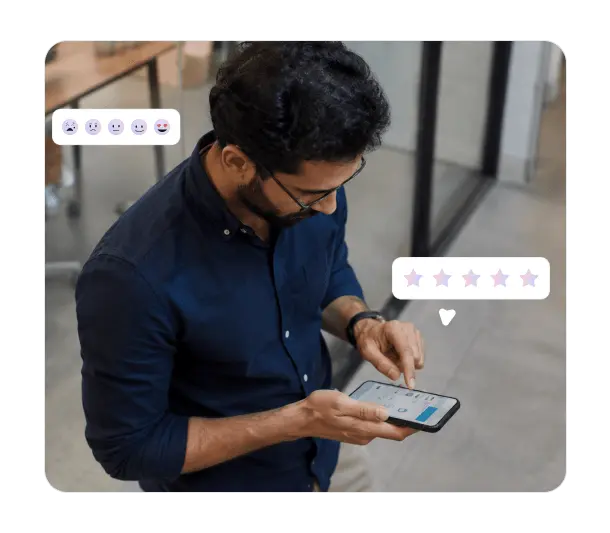

Stated willingness to pay and actual willingness to pay are different things. Product market fit validation with TheySaid surfaces the behavioral signals that predict real purchase intent: the questions users ask, how they describe their workflow after seeing your product, and what their hesitations reveal about the gap between interest and commitment.

Validate product ideas before committing to development. Share a concept, prototype, or early build with target users and AI moderates sessions that reveal whether the concept resonates, whether the positioning lands, and whether users understand what the product does well enough to imagine using it themselves.

Product market fit is not a milestone you reach once. It is a signal you monitor as your product changes, your market shifts, and new competitors emerge. TheySaid lets you run the same research framework at regular intervals so you always have a current picture of where fit is strong and where it is weakening.


AI conducts in-depth conversations with your target audience that follow the participant's own language and reasoning rather than a fixed script. Discovery interviews surface whether the problem is real, how acute it is, and what users are currently doing about it, providing the foundational inputs for any serious product market fit assessment.

Build product market fit survey frameworks using any question structure, including the Sean Ellis disappointment question, retention-oriented prompts, and open-ended probes that let participants describe the value they get from your product in their own words. AI asks follow-up questions after every response to go beyond the score.

Run the same research with multiple audience segments and compare how product market fit signals vary across demographics, job roles, company sizes, use cases, and behavioral attributes. Identifying the segment where fit is strongest is one of the most valuable outputs of early-stage product research.
.avif)
Participants speak their answers rather than type them. Voice responses capture the hesitation, enthusiasm, and unprompted associations that reveal genuine conviction or polite indifference. AI transcribes every response in real time and continues probing based on what participants say.

Run the same product market fit research at defined intervals and compare findings as your product evolves. All historical responses stay in the same platform so you can track how fit changes over time without rebuilding your research framework from scratch each wave.

Early feedback from founders' networks, beta lists built through personal connections, and users who signed up because they like you rather than because they need your product produces a falsely positive signal that delays the harder conversations you need to have.

A 40% "very disappointed" score on a PMF survey tells you where you are relative to the benchmark. It does not tell you what is driving the gap, which segment is closest to fit, or what would have to change for more users to cross the threshold. Numbers without stories do not generate direction.

Most teams validate their solution before validating the problem. By the time they discover that the problem is not painful enough to motivate behavior change, they have already built a product around an assumption that was never tested with the right people.

Beta participants who want to be supportive will describe your product more positively than they would to a stranger with no stake in your success. Product validation methods that rely on relationship-adjacent feedback systematically overstate fit and delay the corrections that would actually improve it.

Teams that raise money, hire, and grow before establishing genuine product market fit build an organization optimized to serve a product that is not yet working. Unwinding that is more expensive than finding fit would have been.


AI-moderated sessions with participants recruited from TheySaid's panel deliver feedback from people with no relationship to your team, no investment in your success, and no reason to soften their genuine reaction. The honesty that is hardest to get in person is the most useful input you can have.

Product market fit metrics come with the qualitative context that makes them actionable. You know not just what percentage of users would be very disappointed but what those users value most, what the others are missing, and what would have to change to bring more users to that level of conviction.

How to find product market fit often comes down to finding the right segment rather than improving the product for everyone. TheySaid lets you compare fit signals across audience profiles and identify where the problem is most acute, the solution lands best, and the path to strong fit is shortest.

Product discovery tools that start with the problem rather than the solution surface whether your target problem is real, acute, and underserved before you commit engineering resources to a solution. Catching a false premise at this stage is cheap. Catching it after launch is not.

Run product market fit research continuously as your product and market evolve. Know when fit is strengthening, when it is eroding, and what is driving the change before the signal shows up in your retention metrics.





Learn how product teams use TheySaid's usability testing use cases and UX research use cases to validate prototypes, optimize features, test pricing strategies, and gather user feedback before shipping to customers.
Learn how product teams use TheySaid's usability testing use cases and UX research use cases to validate prototypes, optimize features, test pricing strategies, and gather user feedback before shipping to customers.
Product market fit exists when a defined segment of users has a problem your product solves better than any alternative, values it enough to pay for it and recommend it, and would be genuinely disappointed if it went away. The most common measure is the Sean Ellis question: 40% saying "very disappointed" is the commonly cited threshold. TheySaid helps you get that number and understand what is driving it.
A standard survey captures ratings and predefined selections. A product market fit survey with TheySaid asks what would genuinely disappoint users, what they value most, and what would have to change for their commitment to deepen. AI follows up after every response so you get the reasoning behind the score, not just the score.
Yes. Share a concept, positioning statement, or early prototype with target users and AI moderates sessions that reveal whether the problem resonates, whether your solution is meaningfully better than current alternatives, and whether participants can imagine using it in their actual workflow.
Run the same research framework across multiple audience segments using TheySaid's panel with demographic, behavioral, and role-based targeting. Compare how fit signals vary across segments and identify where the problem is most acute and your solution is most clearly differentiated.
Beyond the Sean Ellis score: the percentage of users who say they have no adequate alternative, the language users reach for when describing your product's value, and whether users are recommending it unprompted. TheySaid captures the qualitative signals behind all of these through AI-moderated conversations.
For initial signal in a given segment, 20 to 30 sessions typically surface the most significant patterns. For segment comparison studies, 15 to 20 sessions per segment gives you enough to make meaningful comparisons.
Session clips where real users describe the problem your product solves, explain why nothing else addresses it, and articulate what they would do if your product went away land differently than a slide showing NPS scores. TheySaid gives you both the data and the stories behind it.
At minimum before and after any significant product change, pricing shift, or market expansion. Teams that run fit research on a quarterly cadence maintain a current picture of where fit is strong and where it is under pressure.
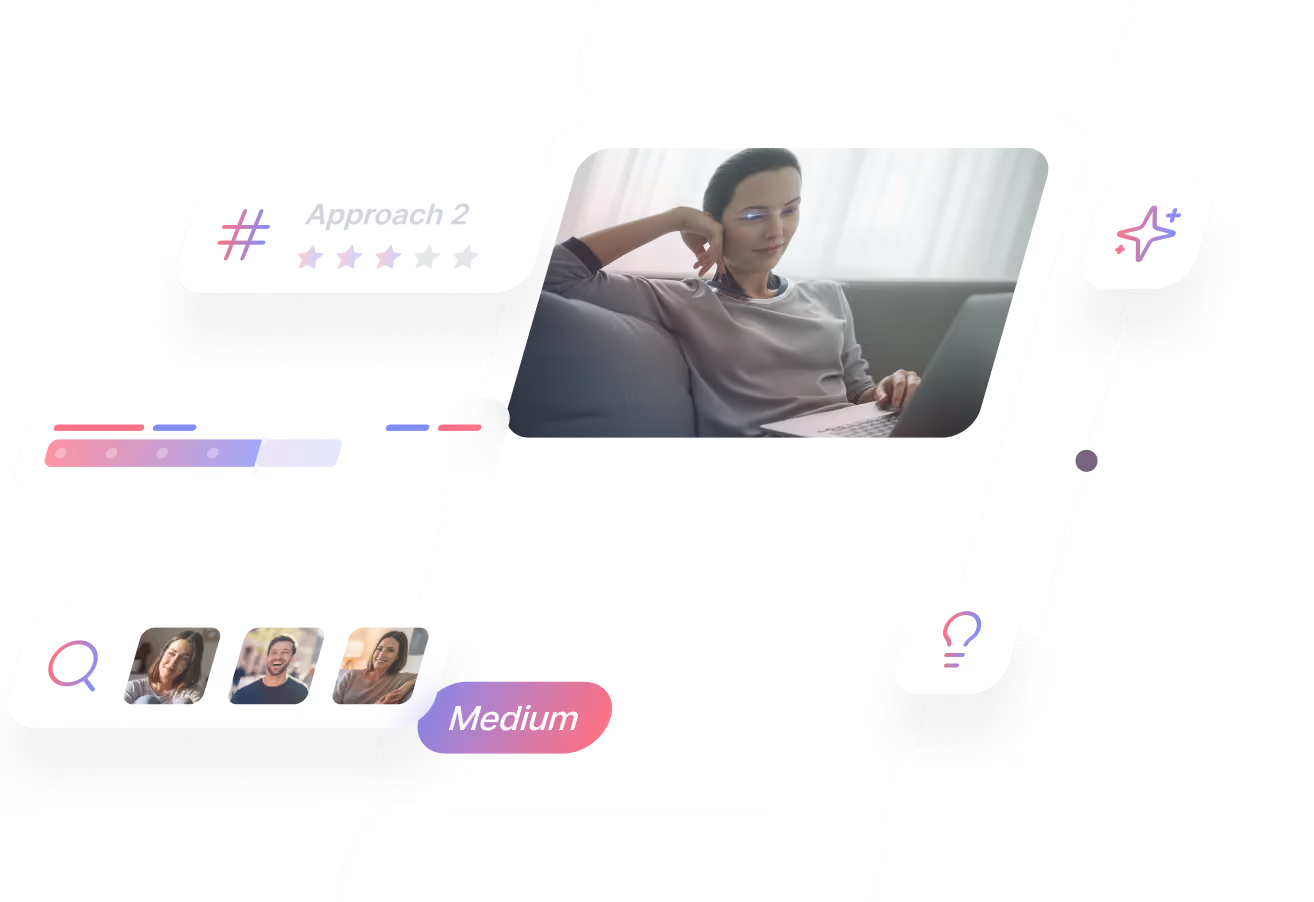

TheySaid User testing recommends questions, delivers via your existing channels, engages your audience,and summarizes results through AI user testing, surveys, and interviews.
.svg)